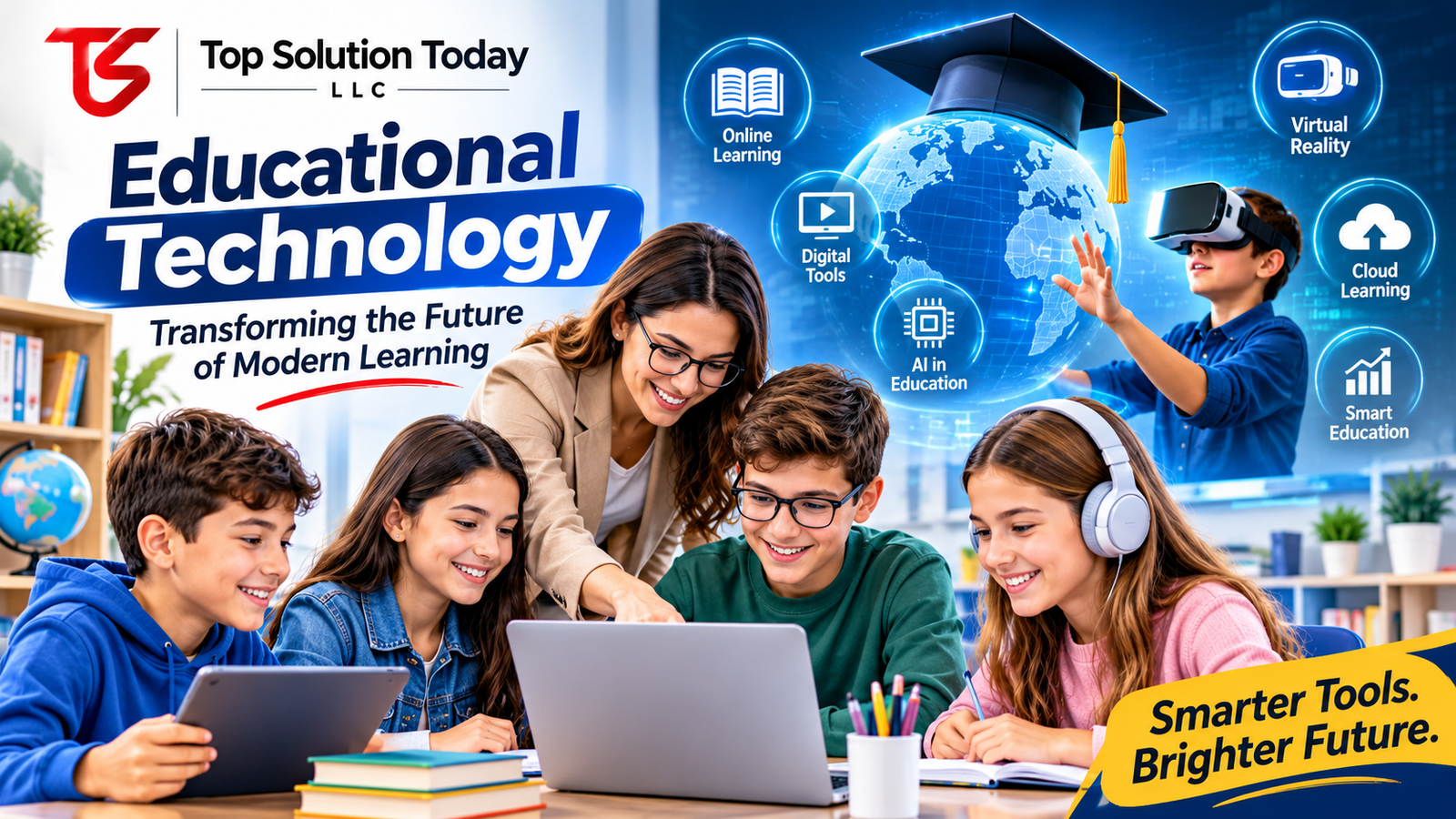
Educational Technology: Transforming the Future of Modern Learning
Introduction
Education has always had an impact on shaping people and building communities. In the past the way we teach and learn has changed a lot because of technology .Now Educational technology is changing classrooms into new places where students and teachers can get information talk to each other and share knowledge better than before.
Educational technology or EdTech means using tools, software, devices and online systems to make teaching and learning better. There are things like smartboards that work with touch, learning apps, online classes and even smart machines. Technology is making education easier to reach more flexible and more interesting for everyone.
As new ideas keep coming up educational technology is becoming a must, in schools, colleges, universities and training programs. Knowing how to use these tools what they can do what problems they might. What might happen next helps teachers and students use these new learning tools better.
What Is Educational Technology?
Educational technology is when technology is mixed into learning activities to make teaching, learning and managing school information better. It brings together tools, new ways to teach and modern communication means to build good learning experiences.
In school ways students mostly used books, classroom talks and printed handouts.. Today educational technology gives more chances to learn using computers, phones, tablets, online courses and digital libraries.
For example students can join classes watch video lessons do interactive tasks and talk with teachers even if they are not in a real classroom.
The main goal of technology is not just to replace the old teaching methods but to help teachers and make learning stronger.
Importance of Educational Technology, in Modern Education
Technology has changed how schools give information and talk to students. It gives ways to show hard ideas boost participation and give learning tools.
Here are some important reasons why educational technology matters:
1. Improved Learning Experiences
Educational technology makes learning more engaging and fun. Teachers can use videos, slideshows, animations and interactive simulations to teach subjects. These tools help students see things in action, which makes it easier to understand ideas. When students can see how things work they remember more. It also encourages them to take part in class and ask questions.
2. Easy Access to Educational Resources
With technology students can reach learning materials anytime and anywhere. They can read books watch tutorials, search for research papers and use online libraries from their homes or classrooms. This access helps students go beyond what’s taught in school. They can learn at their pace and explore topics they find interesting. It also builds skills like searching for information and evaluating sources.
3. Flexible Learning Opportunities
Technology allows students to learn on their terms. They can watch recorded lectures at night study during breaks or finish assignments at a time that works best for them. This is especially helpful, for people who have jobs, family responsibilities or other commitments. Online courses and e-learning platforms give everyone a chance to keep learning no matter where they are or what their schedule looks like.
4. Better Communication
Digital tools help students, teachers and parents stay connected. Teachers can post homework, share notes. Give feedback through learning platforms. Parents can check in on their child’s progress. Receive updates easily. Students can ask questions online. Get answers quickly. This smooth communication helps everyone work together to support the student’s learning journey.
Major Types of Educational Technology
technology includes various tools and systems designed to support different learning activities. Each type serves a purpose in modern education.
1. Learning Management Systems (LMS)
A Learning Management System is a platform used to organize, deliver and manage educational content. It allows teachers to upload lessons, assign homework, monitor student progress and provide feedback.
Popular examples include Moodle, Canvas and Google Classroom. These platforms help educational institutions manage blended learning environments.
2. Online Learning Platforms
Online learning platforms provide courses, video lessons, educational materials and assessments through the internet.
Websites such as Coursera, Udemy and Khan Academy offer learning opportunities across subjects. Students can develop knowledge and professional skills without attending traditional classrooms.
3. Interactive Smartboards
Interactive smartboards are display systems used in classrooms to make lessons more engaging. Teachers can write, draw, display presentations and interact with content directly on the screen.
They support learning and help explain information through visual demonstrations.
4. Reality and Augmented Reality
Virtual Reality (VR) and Augmented Reality (AR) introduce immersive learning experiences. VR allows students to explore environments while AR adds digital elements to real-world surroundings.
For example medical students can explore human anatomy while science students can observe interactive models of planets and other scientific concepts.
5. Artificial Intelligence, in Education
Artificial Intelligence (AI) is becoming a part of educational technology. Powered applications can support personalized learning automate certain administrative tasks and provide instant feedback.
Some educational platforms use AI to recommend lessons based on student performance and identify areas where additional practice may be helpful.
However AI-generated information should be reviewed carefully to ensure accuracy and responsible use.
Benefits of Educational Technology for Students and Teachers
Educational technology offers good points for both students and teachers. When it is used well I see it can make learning chances and help class activities stay neat.
Personalized Learning: Digital platforms let students learn at their pace and give extra help to the subjects that need it.
Increased Student Engagement: Videos quizzes that respond, games and simulations bring life to lessons and push students to join in.
Time Efficiency: Teachers can use tools to sort assignments set up lessons share files and handle routine chores faster.
Remote Learning: Students can keep learning through classes when going to a real classroom is hard.
Skill Development: Using educational tools lets students grow technology know-how talk skills, research knowledge and ways to solve problems.
Progress Tracking: Educational software helps teachers watch how students do in quizzes, assignments and reports.
These benefits show how educational technology can back teaching and make learning places more flexible.
Challenges of Educational Technology
Even though educational technology gives good points I see it also brings problems that schools and education bodies must fix.
Digital Divide
Not every student owns an internet link, a computer or a phone. I see students, in areas may find it hard to join digital learning.
Data Privacy and Security
Data Privacy and Security is crucial because educational platforms often collect information, academic records and other student data. Data Privacy and Security requires security measures to keep personal information, academic records and other student data safe from unauthorized access. I think institutions must be vigilant about Data Privacy and Security.
Technical Problems
Technical Problems such as internet interruptions, software errors and outdated devices can affect learning experiences. Technical Problems demand technical support and updated infrastructure. I believe that technical problems should be addressed promptly.
Lack of Digital Skills
Lack of Digital Skills means some teachers and students may struggle to use educational tools effectively. Lack of Digital Skills can be improved by training and guidance. I feel that training is essential for technology adoption.
Excessive Screen Time
Excessive Screen Time can affect students physical comfort, concentration and daily routines. Excessive Screen Time requires an approach that combines digital and traditional learning activities. I think balance is key.
How Educational Technology Is Changing Online Learning
Online Learning has become a part of modern education. Online Learning allows students to participate in classrooms, access recorded lectures, complete online assessments and communicate with instructors through digital platforms. I see that online learning offers possibilities.
Educational technology makes these activities possible by connecting learners with teachers and educational resources through the internet.
Blended learning is another growing approach that combines classroom instruction with digital learning tools. Blended learning allows students to benefit from face-to-face interaction while enjoying the flexibility of resources. I believe blended learning brings the best of both worlds.
Educational institutions can also use assessments to evaluate student understanding and identify areas that need improvement. Digital assessments help teachers see where students need help.
These developments are helping create learning environments that’re more accessible and adaptable to different educational needs. I think these changes are positive, for all learners.
Future Trends in Educational Technology
The future of technology will keep growing as more digital tools become available. Several new trends are expected to change the way students learn. Teachers teach.
Artificial Intelligence and Personalized Education
Artificial intelligence can help create learning experiences. These AI-powered systems can track how a student is doing and suggest study materials that match their level and learning style.
Virtual and Augmented Reality
Virtual reality and augmented reality can make learning real and engaging. Students can do experiments explore interactive worlds and experience realistic simulations. These tools bring lessons to life in ways traditional classrooms cannot.
Gamification in Education
Gamification brings game elements like points, challenges, rewards and badges into learning. This can motivate students to take part stay focused and enjoy the learning process more.
Cloud-Based Learning
Cloud technology lets schools store learning materials online. This means students and teachers can access books, videos, assignments and other resources anytime anywhere. It also makes sharing easier across devices.
Mobile Learning Applications
Mobile learning apps deliver lessons through smartphones and tablets. Students can study, practice and review lessons even when they are not, at school. This helps learning happen anywhere.
These technologies bring opportunities.. Their success will depend on making sure everyone has access using them in a smart and thoughtful way and focusing on what students truly need to learn.
Conclusion
Educational technology is transforming education by introducing new tools, digital resources and flexible learning opportunities. From learning platforms and smartboards to artificial intelligence and virtual reality educational technology helps students and teachers improve the overall learning experience.
Although challenges such as accessibility, data security, technical issues and excessive screen time remain important concerns the benefits of educational technology are significant when educational technology tools are used responsibly.
As technology continues to advance educational institutions must combine teaching methods with modern educational technology solutions. The goal is always to make education more engaging, accessible and meaningful for learners.
Frequently Asked Questions (FAQs)
1. What is educational technology?
Educational technology is the use of tools, software, devices and online platforms to improve teaching, learning and educational experiences.
2. What are the main types of technology?
Major types include learning management systems, online learning platforms, interactive smartboards, virtual reality augmented reality and artificial intelligence applications.
3. How does educational technology help students?
Educational technology helps students by providing learning opportunities, easy access to educational resources, interactive lessons, personalized learning support and better communication, with teachers.
4. What are the disadvantages of technology?
Common challenges include internet access, privacy concerns, technical problems, lack of digital skills and excessive screen time.
5. What is the future of technology?
The future may include use of artificial intelligence virtual reality, augmented reality, mobile learning applications and personalized digital education systems.